Some of the world’s biggest brands trust QIMA to help them maintain and improve quality with their suppliers in Bangladesh. Here are a few reasons why they choose us as a trusted partner:
Guaranteed on-site inspections anywhere in Bangladesh within 48 hours.
Inspection reports delivered within 24 hours of the inspection and include detailed pictures. You see what our inspector sees.
ISO/IEC 17025 accredited laboratory testing for textile products.
Partner with QIMA to ensure your QC needs are met. We provide inspections, audits, lab testing, and certifications throughout Bangladesh. Here are a few ways we help ensure quality and make the process easier for you and your team:
Online Dashboard - Easy online booking for all services and a customizable dashboard for you to manage orders, access data and analyze results – anywhere, anytime.
Expertise - QIMA offers the highest caliber of inspectors within Bangladesh. Our inspector network is highly trained and skilled in their areas of expertise.
Conformity to Standards - We perform audits, inspections, and tests to international and regional standards, or your in-house requirements.
Flexibility - modify or cancel orders up until 1:00PM CST (5:00AM GMT, 1:00AM EST) the day before the scheduled inspection at a Bangladesh-based facility.
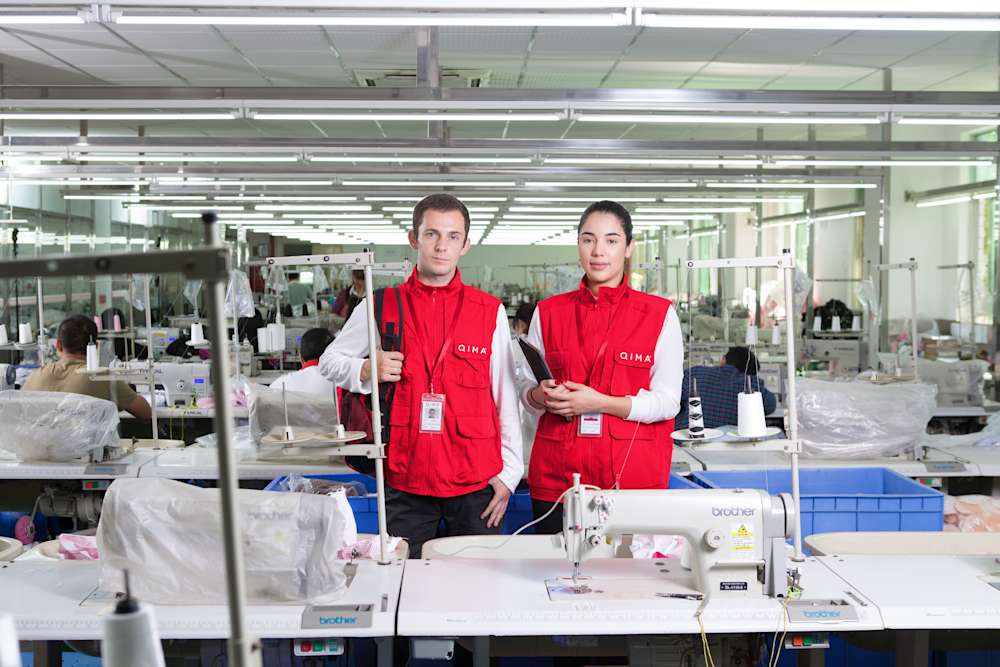
Our highly qualified auditors can conduct Manufacturing, Ethical, Structural, Environmental and C-TPAT audits of your Bangladesh suppliers’ factories, helping you engage with capable and ethical suppliers. We conduct audits to a number of international standards, our own Best-in-Class protocol, or your in-house requirements.
QIMA Supplier Audits in Bangladesh help you:
Protect your brand against operational and ethical risks
Ensure safe and ethical working conditions in your supply chain
Get a comprehensive profile of your Bangladesh supplier – before you give them your business.
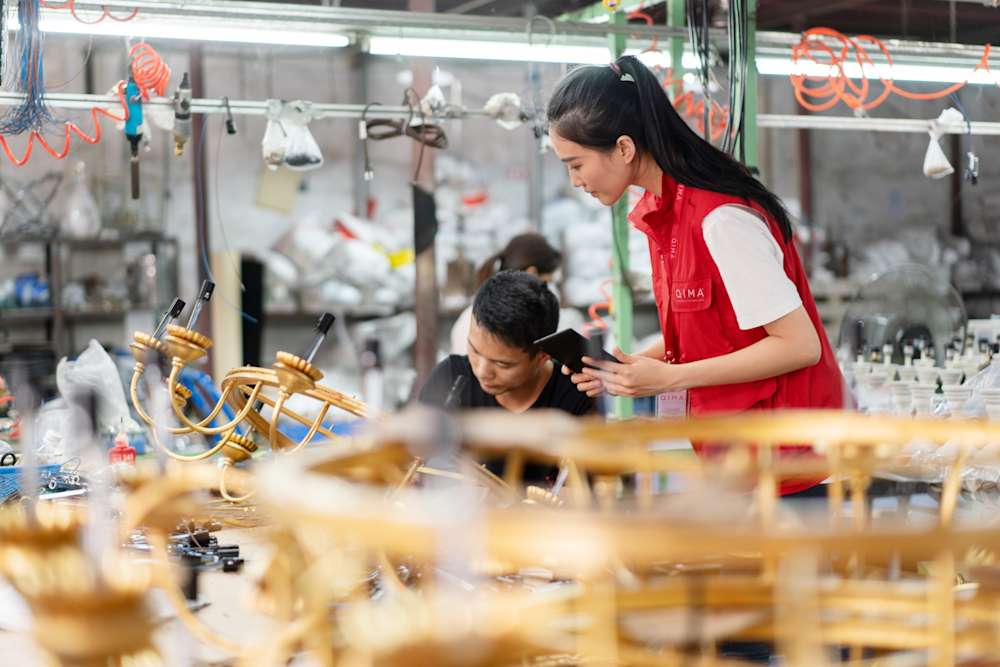
Inspect your product before it leaves your supplier’s factory, and prevent quality problems down the line. We guarantee an inspector on-site of any factory in Bangladesh within 48 hours, and the inspection report will be delivered to you on the day of the inspection.
Experienced QIMA product inspectors help you safeguard the quality of your product at every stage of manufacturing:
Get the support you need to ensure compliance of your products for your destination market. Our experts can help with regulatory knowledge, designing testing protocols, conducting tests, and evaluating results.
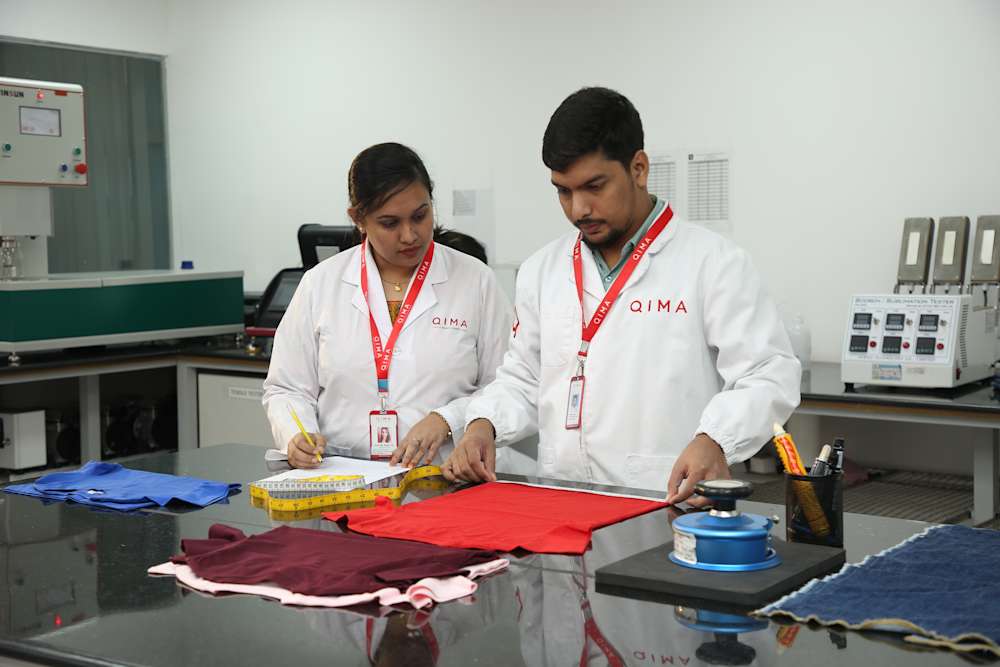
Our ISO 17025 accredited lab in Bangladesh can help with a wide variety of tests tailored to textiles. We are also CPSC approved to offer tests for the U.S. market.
Retailers & importers ensuring safe, compliant product lines
Brand-owner QA teams protecting brand reputation in Bangladesh
E-commerce sellers meeting strict international requirements
OEMs & contract manufacturers streamlining multi-site audits
Bangladesh is among the countries hit hardest by the fallout from the Hormuz fuel shock, with LNG-dependent factories facing renewed shortages after a floating LNG terminal breakdown deepened an already two-year-old gas crisis. But the shortage isn't new, and neither is the adaptation: manufacturers have spent two years diversifying their energy mix, and are now leaning further into solar, diesel, rice husk, batteries, and even wood to keep production lines moving – often at a real cost to margins.
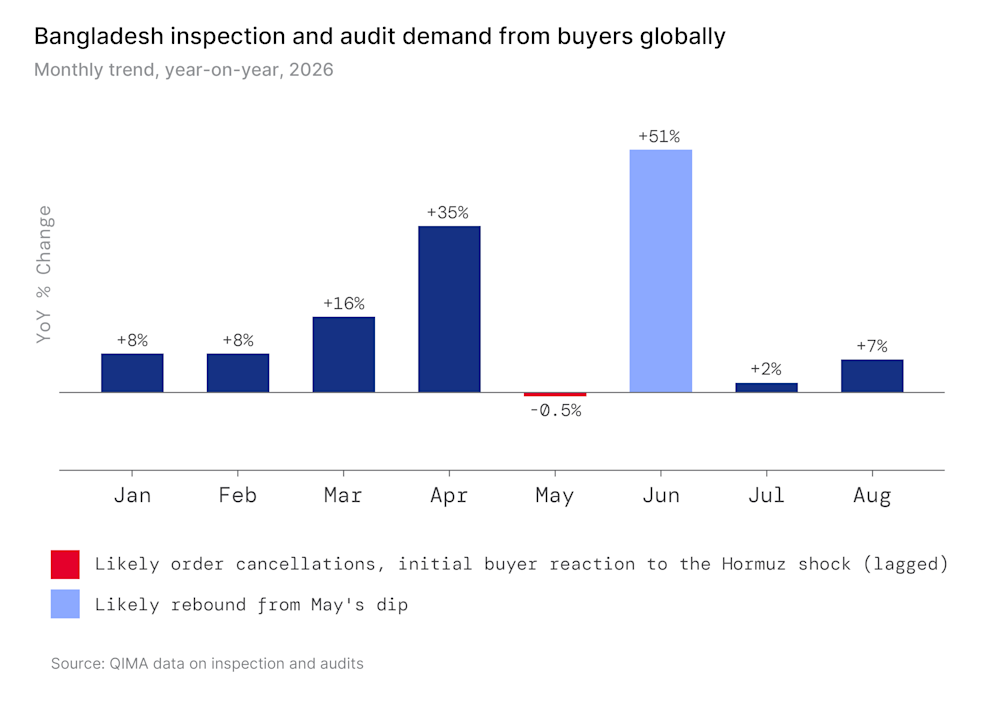
Western buyers, for their part, are largely staying put. Most international brands report no plans to reduce Bangladesh orders, even as they monitor supplier capacity closely. QIMA data reinforces this: demand for Bangladesh inspections and audits grew year-on-year in every month of 2026 except May – a dip consistent with inspection demand lagging actual order activity by one to two months after the initial shock – before resuming its climb. Disruption like this raises the stakes for supplier oversight – even when performance holds steady, buyers benefit from continued visibility as factories adapt under pressure.
Bangladesh's renewable energy still makes up less than 5% of power generation, well short of the global 30%-by-2030 benchmark. Closing that gap is increasingly framed – by manufacturers and policymakers alike – as core to the country's resilience strategy, reducing exposure to the next fuel-market shock rather than just managing this one. That priority now has government backing: Bangladesh's newly approved 2026–2031 economic plan, which targets a trillion-dollar economy by 2034, names climate-resilient energy infrastructure as a pillar of its strategy to manage future economic shocks.
Buyer confidence backs the long game: QIMA's Sourcing Survey found Bangladesh was chosen by 13% of US-based businesses diversifying their supply chains in both 2025 and 2026, unchanged year-on-year despite the disruption.
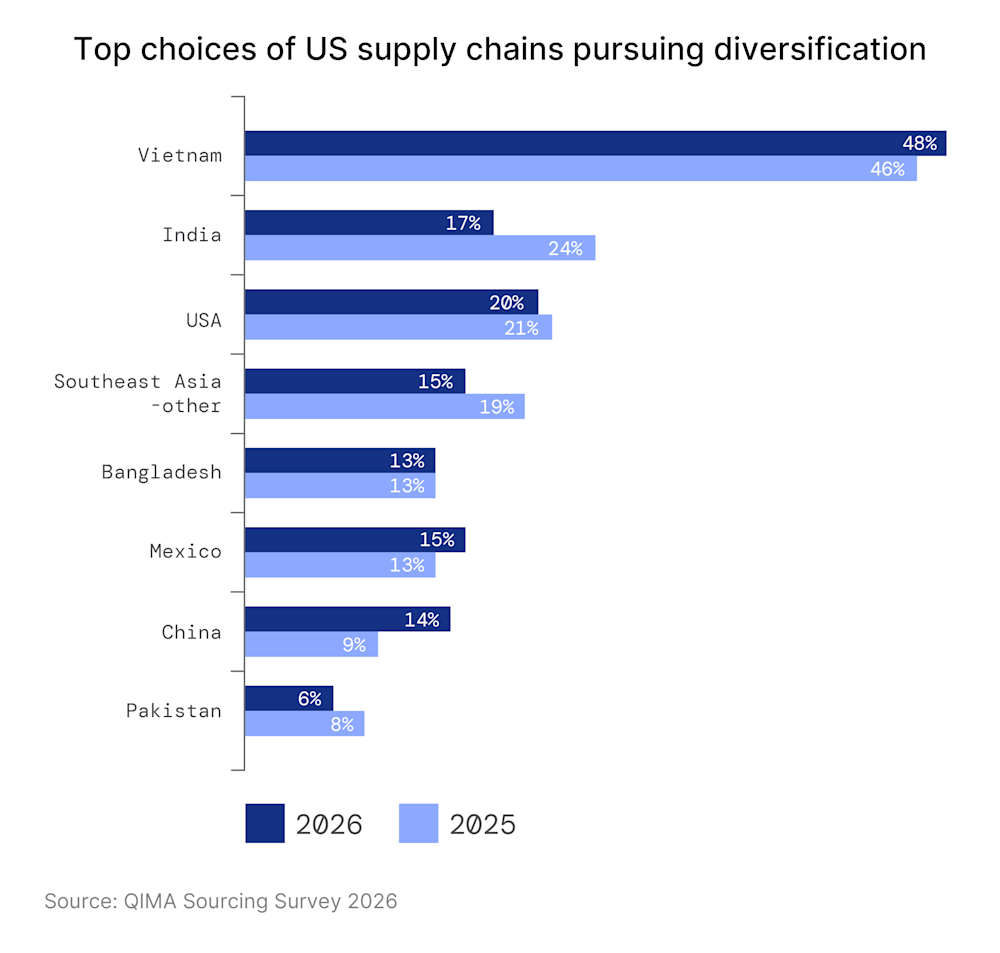
Source: QIMA Sourcing Survey 2026
QIMA provides product inspections, supplier audits, laboratory testing, certification and market-access support in Bangladesh. These services cover major consumer-product categories, with particular laboratory capabilities for apparel and textiles.
QIMA can arrange a qualified inspector on-site within 48 hours, subject to availability and the inspection scope. Reports are delivered through QIMA’s digital platform.
Yes. QIMA can support supplier audit programs across multiple sites. The scope, timing and coordination are confirmed based on the number of sites, audit protocol and program requirements.
QIMA’s Dhaka laboratory supports chemical and physical testing for textile, apparel, footwear and accessories. QIMA also provides access to wider global laboratory capabilities for consumer-product testing against international standards.
Yes. QIMA’s laboratories provide testing against international standards and support product compliance programs across multiple consumer-product categories. The appropriate test plan depends on the product, destination market and applicable requirements.
QIMA’s secured online account lets you manage services and access real-time reporting and insights. You can also access your data through the QIMA Mobile App, connect systems through QIMA APIs, and receive support through web and mobile chat.

