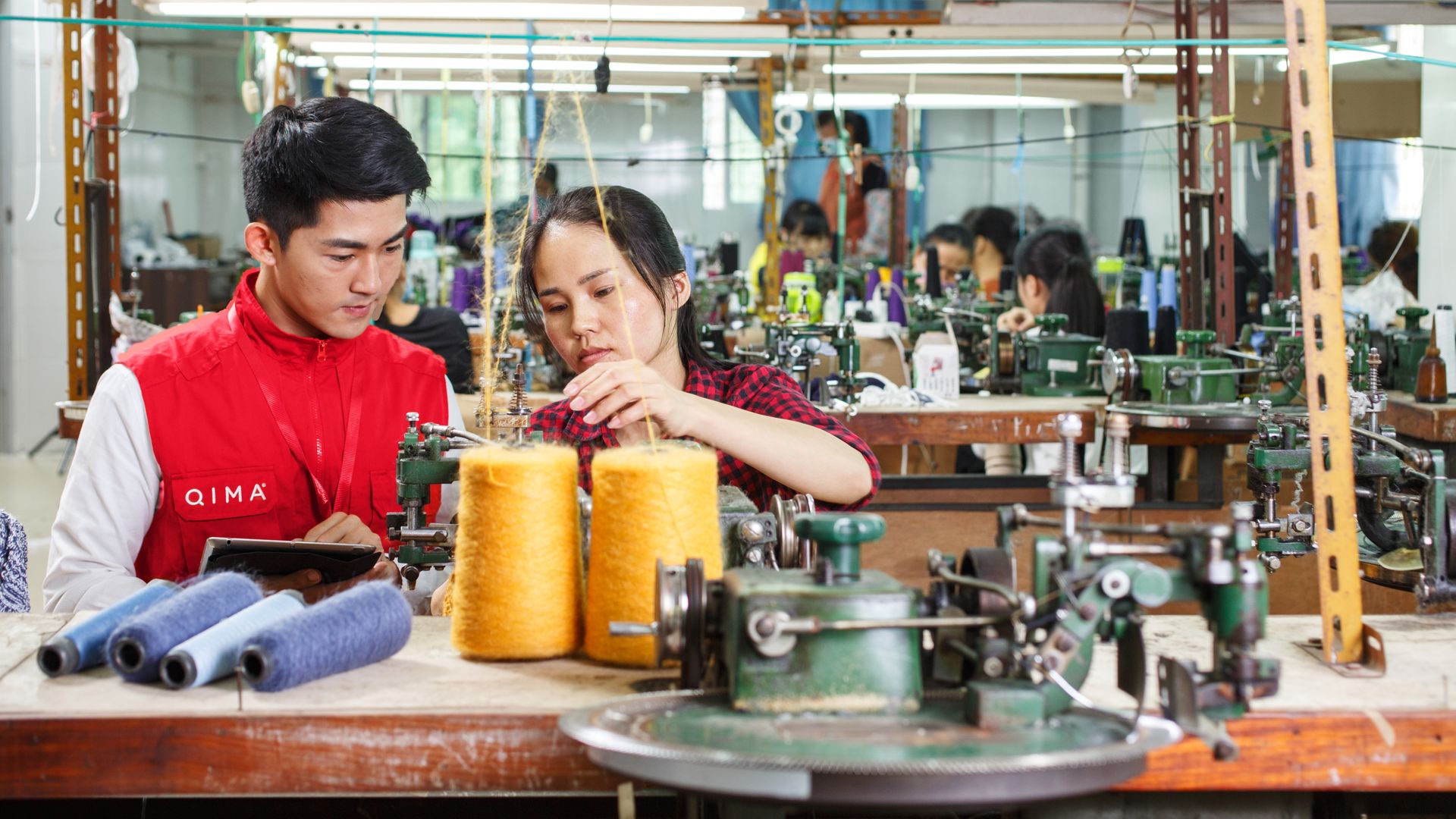
Manufacturing Audits & Manufacturing Inspection for Supplier Risk
Manufacturing audits and manufacturing inspection help you reduce supplier risk before you place an order. QIMA evaluates suppliers’ facilities, capabilities, quality systems, and workflows so you can approve, reject, or improve a supplier with evidence.
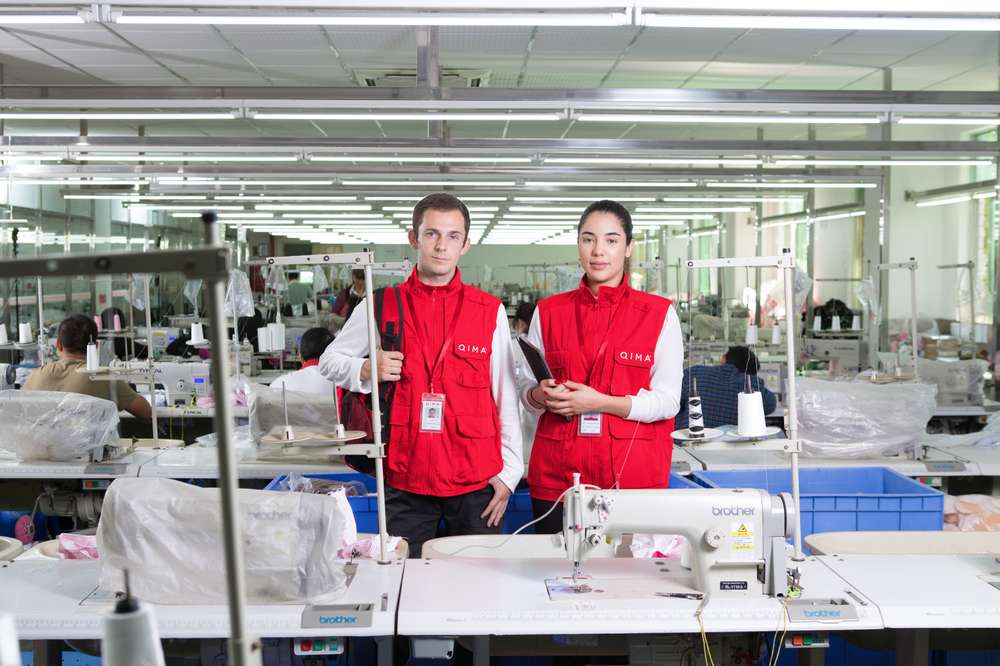
QIMA’s manufacturing audits are a practical way to vet potential suppliers, confirm capabilities, and support decisions about which suppliers to onboard. Each engagement produces a QIMA audit report you can use for supplier approval, corrective action tracking, and supply chain risk management.
Learn more about:
What are manufacturing audits?
Customizable manufacturing audit modules
Why perform a manufacturing audit?
Who needs a manufacturing audit?
Why choose QIMA for manufacturing audits & manufacturing inspection
QIMA benefits
Need more information?
By contacting QIMA you agree to our privacy policy and terms and conditions.
What are Manufacturing Audits?
Manufacturing audits are on-site evaluations of a supplier’s factory, capabilities, quality systems, and workflows, typically carried out before you place an order.

A manufacturing audit is typically implemented to confirm whether a potential new supplier is capable of meeting production and quality requirements.
The standard manufacturing audit covers:
Factory profile
Production capacities
Factory facilities, including the condition of machinery and equipment
Workflow and organization charts
Quality assurance systems in place
At the end of the audit, the factory is provided with a corrective action plan for targeted long-term improvement. Key remediations are prioritized, with timelines and KPIs agreed upon.
QIMA's manufacturing audits follow the best practices outlined by ISO 9000 standards. Created by the International Organization for Standardization (ISO), these standards guarantee efficient quality management systems (QMS) and reliable evaluations across all audits.
Customizable Manufacturing Audit Modules
QIMA’s manufacturing audits are modular. You can add specialist modules to a standard audit depending on what your program needs to check:
Social responsibility and compliance
Procurement conditions
R&D – sampling capacity
Hygiene, health, and safety
Environmental impact
RoHS standards
Other modules as required
Why Perform a Manufacturing Audit?
Verify that your supplier's facilities are operational and suitable for manufacturing your product
Ensure that your supplier's sourcing policies align with your own
Identify and hedge against potential quality, operational, and ethical risks
Evaluate the competence of the factory management
Complement scheduled manufacturing inspection with a full facility and capability check before onboarding a supplier
Who Needs a Manufacturing Audit?
Manufacturing audits are useful whenever you want objective evidence that a supplier can meet your production, quality, and compliance requirements.
Brands and retailers onboarding a new factory
Sourcing and procurement teams comparing multiple suppliers
Quality teams that need documented supplier capability evidence
Compliance teams that need to demonstrate supplier due diligence
Buyers scaling production and confirming a factory can handle new volumes
How the Manufacturing Audit Process Works
Every QIMA manufacturing audit follows a structured process so results are consistent and comparable across suppliers:
Scope the audit. Confirm the supplier, product category, audit type, and any add-on modules
Prepare and schedule. QIMA coordinates the audit date directly with the factory
Conduct the on-site audit. A QIMA auditor evaluates factory profile, capacity, equipment, workflow, and quality systems
Deliver the audit report. You receive a detailed QIMA audit report with findings and risk indicators
Corrective action plan and follow up. Prioritized remediations with timelines and KPIs, plus follow-up audits where required
Why Choose QIMA for Manufacturing Audits & Manufacturing Inspection
QIMA’s manufacturing audits follow the internationally recognized ISO 9000 family of standards for quality management systems. Local auditors carry out the audit on-site, and they complete regular training and certification to maintain their qualifications.
For ongoing programs, QIMA can assign a dedicated team of specialized auditors so results stay consistent across sites and product categories.
Create an account and book a QIMA manufacturing audit
QIMA Benefits
In-depth local knowledge with auditors attuned to the culture, laws and practices of their region.
CSR experts receive regular training on regulations and best practice.
Global coverage across 100 countries in Asia, Africa, Europe, North and South America.
Continuous improvement approach drives long-term change and empowers suppliers to act.
Online program management book audits, make payments, and download detailed reports.
Custom compliance dashboard to assess supplier performance, track progress and visualize your supply network.
Ranked #1 in the industry for customer satisfaction based on independent NPS measurement.
Manufacturing audit FAQs
What is a manufacturing audit?
A manufacturing audit is an on-site evaluation of a supplier’s factory, production capacity, equipment, quality systems, and workflows. It confirms whether that supplier can reliably meet your production and quality requirements.
What is the difference between a manufacturing audit and a manufacturing inspection?
A manufacturing audit evaluates the supplier itself, including facilities, capabilities, and quality systems. A manufacturing inspection checks the product, typically during or after production, against your specification and quality standards. Most brands use both.
When should I request a manufacturing audit?
A manufacturing audit is most useful before you onboard a new supplier, place a first order, scale up production, or when you want documented evidence that an existing supplier still meets your requirements.
How long does a manufacturing audit take?
Most QIMA manufacturing audits are completed in one day on-site, with the audit report typically delivered within a few business days after the visit. Complex or multi-module audits can take longer.
How much does a manufacturing audit cost?
Pricing depends on the factory location, scope, and any add-on modules such as social responsibility, hygiene, health and safety, or RoHS. Request a quote and the QIMA team will confirm cost and turnaround time for your specific supplier.
Can I add extra checks to a standard manufacturing audit?
Yes. QIMA’s manufacturing audits are modular, so you can add specialist modules such as social responsibility and compliance, procurement conditions, R&D and sampling capacity, hygiene, health and safety, environmental impact, or RoHS standards.
Does QIMA operate manufacturing audits worldwide?
Yes. QIMA operates manufacturing audits across 100+ countries in Asia, Africa, Europe, and the Americas, using local auditors familiar with regional supplier practices.